
 Türkçe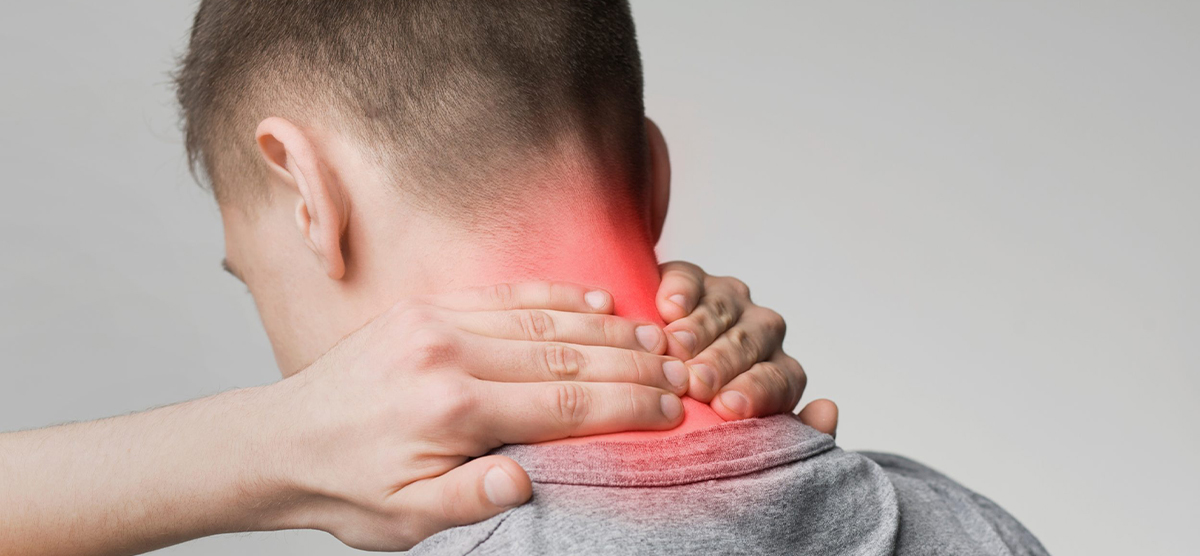
Cervicogenic Headache is a neck-originated type of headache that, despite being common in society, is often misdiagnosed. This condition is frequently seen especially in people who work at a desk, stay in front of a computer for long periods, or have poor posture (postural) habits. Due to the immobility, stress, and postural disorders brought by modern life, the number of cervicogenic headache cases is increasing day by day.
The complex muscle-nerve-joint structure between the neck, shoulder, and head is at the center of these pains and is often confused with migraine or tension-type headache. Therefore, accurate diagnosis and appropriate treatment are of critical importance in regaining quality of life.
What is Cervicogenic Headache?
Cervicogenic Headache, as the name suggests, means headache originating from structures in the neck (cervical) region. “Cervico” means neck and “genic” means originating; thus the literal meaning is “neck-originated headache.”
This type of pain occurs as a result of dysfunction of the first three levels of the cervical vertebrae (C1, C2, C3) and the muscles, connective tissues, joints, and nerves in this region. Irritation, compression, or degeneration in neck structures sends false pain signals to the brain, and the person perceives this as a headache.
Cervicogenic headache is usually unilateral; pain starts from the back of the neck and spreads to the back of the head, temples, and around the eyes.
The pain is often dull and deep in character, sometimes intensifying and appearing in attacks.
Patients frequently report that the pain increases with neck movements, and they feel stiffness and restriction.
These types of headaches generally develop due to reasons such as muscle tension, spinal alignment disorders, cervical herniation, or trauma (e.g., whiplash). Early recognition of cervicogenic headache and proper treatment planning are of great importance in preventing chronicity.
What Causes Cervicogenic Headache?
Many biomechanical and lifestyle factors play a role in the development of Cervicogenic Headache. This condition usually occurs when structural changes in the cervical vertebrae, muscle tension, and postural disorders come together.
1. Poor Posture (Postural Disorder)
It is one of the most common causes of cervicogenic headache. Especially in people who work at a computer for long periods, lean forward to look at their phone, or sit hunched at a desk, excessive load is placed on the cervical vertebrae. This incorrect posture prepares the ground for pain onset by creating tension in neck muscles and wear on joint surfaces.
2. Neck Flattening and Hunching
A healthy neck has a natural “S”-shaped curvature. Incorrect posture, stress, or muscle imbalances can cause this curvature to disappear (neck flattening) or reverse. This change is an important risk factor for neck-originated headache (cervicogenic headache).
3. Muscle Tension and Trigger Points
Continuous contraction and spasms in neck and shoulder muscles create hard and painful nodules (trigger points) within the muscles. Pain radiating from these areas is felt especially in the nape, temples, and around the eyes. This muscle-originated tension is one of the most common mechanisms of cervicogenic headache.
4. Joint Problems
Facet joints between the cervical vertebrae are responsible for the head’s mobility. Degeneration (calcification) or dysfunction occurring in these joints stimulates nerve endings, leading to the reflection of pain signals to the head region.
5. Disc Problems and Herniation
Wear or herniation in the discs between the cervical vertebrae can compress surrounding nerve tissues. This situation causes both neck pain and pain reflected to the head. Cervical disc herniations can turn into cervicogenic headache along with prolonged neck stiffness.
6. Trauma and Whiplash Injuries
Sudden forward-backward movement of the neck (“whiplash injury“) following traffic accidents, falls, or sports injuries causes damage to cervical structures. Such traumas are an important starting point for chronic neck pain and cervicogenic headache.
7. Stress and Muscle Tension
Psychological stress creates continuous contraction in neck and shoulder muscles, disrupting muscle circulation. In the long term, this situation can lead to muscle contractures, postural disorders, and neck-originated headache development.
8. Sleep Pattern and Pillow Use
Inappropriate pillow selection or incorrect sleep position facilitates pain development by putting pressure on neck muscles and vertebrae. High, hard, or excessively soft pillows can disrupt neck anatomy and lead to head-neck pain upon waking in the morning.
Most of these factors are effective together. Therefore, treatment of cervicogenic headache requires not only medication but also holistic approaches such as posture training, ergonomic arrangement, muscle strengthening exercises, and stress management.
What Are the Symptoms of Cervicogenic Headache?
Cervicogenic Headache can be easily distinguished from other types of headaches by its distinctive clinical symptoms. Although this pain originates from the neck, it is felt in different parts of the head and frequently shows increase with neck movements.
1. Location of Pain (Localization)
Pain usually starts at the back of the head (occipital region) and spreads upward.
It is often unilateral; it can progress from the neck to the temple, forehead, and around the eyes. In some patients, pain can extend to the top of the head.
2. Neck Pain and Stiffness
Cervicogenic headache is almost always accompanied by neck pain and movement restriction.
Patients especially feel neck stiffness in the mornings and have difficulty turning their heads. Pain increases during neck movements and tension is noticed in the muscles.
3. Pain Increasing with Movement
The most distinctive feature of this type of pain is that the pain intensifies with neck movements.
Turning the head right-left, looking up, bending forward, or staying in the same position for a long time can increase the pain.
4. Dull and Pressing Sensation Pain
Cervicogenic headache is generally not throbbing, but a continuous, dull, pressing-type pain.
Patients describe this sensation as “there’s a weight on my head” or “like my head is being squeezed.”
5. Shoulder and Arm Pain
Pain may not be limited to the head; it can spread to the shoulders, nape, and sometimes to the arms.
Tenderness and tension in shoulder muscles are common. This situation results from the involvement of nerves exiting from the cervical vertebrae.
6. More Severe Pain in the Morning
Cervicogenic headache is usually more pronounced upon waking in the morning.
Use of an inappropriate pillow or incorrect sleep position during the night can increase the intensity of pain by straining neck muscles.
7. Trigger Points
In the neck and shoulder region, there are sensitive trigger points that increase pain when pressed.
When these points are touched, pain can radiate to the back of the head or around the eyes.
8. Restriction in Head Movements
Patients frequently complain of inability to fully turn their head, inability to look up-down, or increased pain with movement.
This restriction results from both muscle tension and dysfunction of spinal joints.
9. Visual Symptoms
In some patients, eye fatigue, blurred vision, or light sensitivity may develop.
These symptoms occur when nerves exiting from the cervical vertebrae affect the muscles around the eyes and blood flow.
Cervicogenic headache symptoms generally point to a neck-originated mechanism. Therefore, in treatment, it is necessary to focus not only on the headache but also on structural and functional problems of the neck region. Early diagnosis prevents chronicity of pain and loss of quality of life.
International Classification of Headache Disorders (ICHD-3) Diagnostic Criteria – 11.2.1 Cervicogenic Headache
- Evidence from clinical, laboratory, or imaging findings that a disorder in the neck (cervical) region may be the cause of headache
- Presence of at least one finding supporting a causal relationship between headache and neck pathology:
- Headache starting with the onset of neck pathology
- Headache decreasing or disappearing with improvement of neck pathology
- Headache being triggered by neck movements, inappropriate posture, or neck pressure
- Presence of neck pain and headache together on the same side (ipsilateral)
- Complete disappearance of headache when diagnostic cervical nerve block is applied
C.Headache characteristics are typically as follows:
- Unilateral and non-pulsatile (non-throbbing) in character
- Radiates from the neck to the back of the head, temples, or around the eyes
- Moderate to severe, generally felt as dull and pressing-type
- Increases with neck movements or staying in the same position for a long time
D. Headache cannot be better explained by another ICHD-3 headache diagnosis.
Notes (explanatory information according to ICHD-3):
- Cervicogenic headache generally originates from structural or functional disorders affecting C1-C3 spinal nerves.
- Diagnosis is often associated with cervical facet joint dysfunction, disc pathology, muscle tension, or trauma (e.g., whiplash).
- Diagnostic nerve block (e.g., C2 or C3) is considered a criterion confirming the diagnosis.
How is Cervicogenic Headache Diagnosed?
The diagnosis of Cervicogenic Headache is a complex process that needs to be distinguished from other types of headaches. Because the source of pain is in the neck region; however, the pain is felt in the head. Therefore, a comprehensive evaluation by an experienced neurology or physical therapy specialist is required for diagnosis.
1. Detailed History (Anamnesis) Taking
The first step of diagnosis is the detailed history taken from the patient.
The doctor carefully inquires about when the pain started, which movements increase or decrease it, your working posture, your sleep position, your past traumas, and your stress level.
The pain starting from the neck and spreading to the head, being unilateral, and increasing with neck movements is important for diagnosis.
2. Physical and Neurological Examination
Clinical examination is of critical importance in distinguishing cervicogenic headache:
- Neck Examination: Neck range of motion is evaluated; it is observed whether pain occurs during movement.
- Muscle Examination: Spasm, tension, or trigger points are investigated in neck and shoulder muscles.
- Posture Analysis: The patient’s sitting, standing, and head position. Prolonged incorrect posture is among findings supporting the diagnosis.
- Neurological Examination: Nerve functions, reflexes, and sensory examination are performed. It is evaluated whether there is pain radiating from the neck to the arm or numbness.
3. Functional and Provocative Tests
Special tests supporting the diagnosis of Cervicogenic Headache can be applied:
- Change in pain during neck movements is observed.
- Increased pain in specific head positions supports the diagnosis.
- Providing temporary relief with manual therapy maneuvers indicates that the pain is neck-originated.
4. Imaging Methods
Imaging tests are used to show structural changes in the neck region:
- Neck MRI (Magnetic Resonance Imaging): Shows disc herniation, nerve root compression, muscle and connective tissue problems.
- Cervical X-ray (Radiography): Reveals neck flattening, curvature disorders, or calcifications.
- Computed Tomography (CT): Used to examine detailed abnormalities in bone structure.
5. Diagnostic Injections
Sometimes diagnostic nerve block is applied for definitive diagnosis.
Local anesthetic substance is injected into the suspected cervical nerve or joint.
If pain significantly decreases after this injection, it is confirmed that the source of headache is the neck (cervicogenic).
6. Differential Diagnosis
Cervicogenic Headache can be confused with migraine, tension-type headache, cluster headache, or cerebrovascular headaches.
Therefore, when making a diagnosis, other types of headaches need to be excluded. Especially evaluation made within the framework of ICHD-3 criteria increases diagnostic accuracy.
The most important step in diagnosing Cervicogenic Headache is proving that the pain is neck-originated. Early diagnosis enables the initiation of appropriate treatment and prevention of pain chronicity.
Cervicogenic Headache Treatment
A multidisciplinary approach is required in the treatment of Cervicogenic Headache. Because this type of pain originates not only from the head region but from structural or muscle-originated disorders in the cervical vertebrae.
The treatment plan is arranged specifically for each patient and generally medication therapy, physical therapy, manual therapy, and lifestyle modifications are applied together.
1. Medication Therapy
The goal in the medication treatment of cervicogenic headache is both to control pain and reduce muscle tension.
- Painkillers (NSAIDs): In the acute period, painkillers such as paracetamol, ibuprofen, diclofenac are used. These medications reduce inflammation and alleviate pain.
- Muscle Relaxants: Used for a short period to relieve spasm in neck muscles. Long-term use is not recommended.
- Antidepressants: In chronic cervicogenic headaches, low-dose tricyclic antidepressants (e.g., amitriptyline) can reduce nerve pain.
- Anticonvulsants: Gabapentin or pregabalin is effective in controlling nerve-originated pain.
2. Physical Therapy and Rehabilitation
In the treatment of cervicogenic headache, physical therapy is one of the fundamental and most effective approaches.
Manual Therapy
Manual therapy applied by experienced physiotherapists restores the natural mobility of cervical vertebrae. This method resolves joint blockages, reduces muscle tension, and alleviates nerve compressions.
Exercise Therapy
Regular exercise increases both muscle balance and posture quality:
- Neck Strengthening Exercises: Increases spinal stability by activating deep neck muscles.
- Stretching Exercises: Relaxes tense muscles, increases range of motion.
- Posture Correction Exercises: Corrects incorrect posture that occurs in long-term desk workers.
Physical Modalities
- Heat Application: Reduces muscle tension and increases blood circulation.
- TENS (Transcutaneous Electrical Nerve Stimulation): Alleviates pain by stimulating nerves.
- Ultrasound Therapy: Resolves muscle spasm by creating heat in deep tissues.
3. Injection Therapies
In patients whose pain continues despite medication and physical therapy, targeted injection therapies can be applied:
- Trigger Point Injections: Muscle spasm is relieved by applying local anesthetic to pain foci (trigger points) in neck and shoulder muscles.
- Facet Joint Injections: Injections into small joints between cervical vertebrae reduce joint-originated pain.
- Epidural Steroid Injections: Inflammation and pain are controlled by giving steroids around the nerve root.
4. Alternative and Supportive Treatments
- Acupuncture: Alleviates pain by reducing muscle tension and regulating blood flow.
- Massage Therapy: Professionally applied massage resolves muscle spasm and provides relief.
- Osteopathic Treatment: Aims to re-establish balance through manual manipulations by evaluating body mechanics holistically.
5. Lifestyle Modifications
Lifestyle changes are of critical importance in the long-term management of cervicogenic headache:
- Ergonomic Arrangement: Desk, chair, and monitor height should be at the same level as the neck.
- Appropriate Pillow Selection: Orthopedic pillows that support the physiological curve of the neck should be preferred.
- Regular Breaks: Desk workers should take short exercise breaks every 30-45 minutes.
- Stress Management: Meditation, breathing exercises, and relaxation techniques prevent pain recurrence.
6. Surgical Treatment
Surgery is only considered in rare and advanced cases — for example:
- Severe disc herniations (cervical herniation),
- Nerve root compression,
- Advanced degenerative changes in the spine and similar conditions.
Surgery is evaluated in patients in whom conservative treatments have failed.
Conclusion
Cervicogenic Headache is a type of pain that can be completely controlled with accurate diagnosis and holistic approach.
With regular physical therapy, appropriate posture habits, stress management, and exercises, patients can lead a pain-free, active life.
If you have symptoms, consulting a neurology or physical therapy specialist early significantly increases treatment success.
Frequently Asked Questions About Cervicogenic Headache
1. What is the Difference Between Cervicogenic Headache and Normal Headache?
Cervicogenic Headache is known as neck-originated headache and shows distinct differences from other types of headaches.
The most important difference is that the pain increases with neck movements. When you turn your head, look up-down, or stretch your neck muscles, the pain intensifies significantly.
Pain usually starts from the back of the head (from the nape) and spreads upward; migraine mostly starts from the temples.
Neck and shoulder pain almost always accompanies cervicogenic headache. Additionally, increased pain when waking up in the morning is typical because incorrect position during sleep triggers the pain.
When trigger points in neck and shoulder muscles are pressed, the pain spreading to the head is specific to this pain type.
2. Can Cervicogenic Headache Be Treated? How Long Does It Take to Heal?
Yes, cervicogenic headache is a condition that can be completely treated.
When proper treatment is applied, 80-90% of patients experience significant relief.
Treatment duration varies according to the patient’s age, duration of pain, and structural changes in the cervical vertebrae.
- Acute cases: Significant improvement can be achieved within 2-6 weeks.
- Chronic cases: May require longer treatment between 3-6 months.
With physical therapy, manual therapy, and exercises, relief can be seen from the first few sessions.
Treatment success depends on regular application and continuation of posture correction habits.
The recovery rate is much higher in treatments started early.
3. Which Doctor Should I See If I Suspect Cervicogenic Headache?
If you suspect Cervicogenic Headache, it is recommended to first consult a Neurology or Physical Medicine and Rehabilitation (PMR) specialist.
These specialists are competent in neck-spine problems, musculoskeletal system pains, and postural disorders.
They can also plan injection therapies, physical therapy applications, and medical treatments together. A Neurology specialist can distinguish that the headache is not caused by other reasons (e.g., migraine or cluster headache).
Neurosurgery only comes into play in cases requiring surgery (e.g., severe disc herniations or nerve compressions).
Your family physician can do the initial evaluation, but instead of just going for painkiller treatment, it is necessary to prefer centers with a multidisciplinary approach.
4. What Can I Do at Home for Cervicogenic Headache? Which Exercises Are Beneficial?
Correct home applications are the strongest supporters of treatment:
- Neck Stretching Exercises:
Slowly turn your head right-left, look up-down, and bring your ear close to your shoulder. Hold each movement for 10-15 seconds. - Heat Application:
Apply hot compress to the neck and shoulder area 2-3 times a day for 15-20 minutes or take a hot shower. - Correct Sleep Position:
Don’t use a pillow that’s too high or too low. Prefer orthopedic pillows that support the natural curve of the neck. - Ergonomic Arrangement:
Computer screen should be at eye level, avoid hunched posture. - Stress Management:
Deep breathing exercises, meditation, and short breaks reduce muscle tension. - Massage:
Light circular massage to neck and shoulder muscles increases circulation and reduces pain.
Avoid staying in the same position for long periods, do small stretching movements frequently.
5. Does Cervicogenic Headache Become Chronic? Does It Leave Permanent Damage?
Cervicogenic Headache can become chronic, but this is a preventable and reversible condition.
If diagnosed early and appropriate treatment is applied, the risk of chronicity is extremely low.
If not treated, muscle and joint disorders can become permanent, but no permanent damage occurs in the brain or nervous system.
This type of pain is a functional disorder — that is, the working balance of neck muscles and joints is disrupted, but there is no structural destruction.
With regular exercise, correct posture, and stress control, complete recovery and pain-free life are possible.
6. How is Cervicogenic Headache Distinguished from Migraine?
Cervicogenic Headache is frequently confused with migraine especially due to being unilateral. However, some distinct differences guide diagnosis:
- Source of Pain: Cervicogenic headache originates from neck structures (vertebrae, muscles, joints, nerves). Pain usually starts from the nape base and spreads upward to temples or eyes. Migraine originates from temporary functional changes in brain vessels and the nervous system.
- Duration of Pain: Cervicogenic headache can last for hours or days but is usually at constant intensity. Migraine attacks can last 4 to 72 hours and may increase and decrease in throbbing character.
- Side of Pain: Cervicogenic headache is unilateral and always on the same side. In contrast, migraine pain can switch sides; it may appear on the right in one attack, on the left in another.
- Triggering of Pain: Cervicogenic pain is triggered by neck movements, prolonged incorrect posture, or muscle tension. Migraine is triggered by factors such as hunger, hormonal change, bright light, or stress.
- Character of Pain: Cervicogenic headache is generally a dull, pressing-type, and continuous pain. Migraine pain is throbbing and pulsating.
- Accompanying Symptoms: Migraine is frequently accompanied by nausea, vomiting, light and sound sensitivity, while these symptoms are rare or mild in cervicogenic headache.
- Neck Movements: In cervicogenic headache, turning or bending the neck increases pain; migraine is not affected by these movements.
- If your pain is triggered by neck movements, always felt on the same side, and spreads from the nape base to the head, this picture is most likely cervicogenic headache, not migraine.
7. How is Cervicogenic Headache Distinguished from Tension-Type Headache?
Cervicogenic Headache can also be confused with tension-type headache; although both are related to muscle tension, their sources and clinical features are quite different:
- Starting Point of Pain: Cervicogenic headache originates from the neck (cervical spine) and spreads from the nape to the head. In tension-type headache, pain is around the head, in band-like fashion on forehead and temples.
- Side of Pain: Cervicogenic headache is usually unilateral and always on the same side. Tension-type headache is generally bilateral and widespread in character.
- Duration of Pain: Cervicogenic pain can last for hours or days, generally stable. Tension-type pains can last from 30 minutes to several days, but are more superficial.
- Character of Pain: Cervicogenic headache is dull, deep, pressing sensation type; increases with neck movements. Tension-type headache is like a squeezing band sensation and does not change with movement.
- Neck Movements and Posture: Cervicogenic pain increases with neck movements, decreases when posture is corrected. In tension-type headache, neck movements usually don’t affect pain as noticeably as in cervicogenic headache.
- Accompanying Symptoms: Cervicogenic headache is accompanied by neck stiffness, shoulder tension, and restriction in head movements. In tension-type headache, these findings may be present but not as prominent as in cervicogenic headache.
- If your pain increases with neck movements, is unilateral and always felt in the same area, this condition is cervicogenic headache. However, if your pain is in squeezing band fashion around the head, bilateral, and stress-related, this picture suggests tension-type headache.
In conclusion, Cervicogenic Headache is completely treatable with accurate diagnosis and early intervention.
For treatment to be permanent, posture correction, exercise habit, and ergonomic arrangement are essential.
Don’t take your pain lightly — with the right steps and professional support, it is possible to completely get rid of neck-originated headache.
